The global order is undergoing one of its most significant transformations in decades. Traditional power centers are being challenged, new alliances are emerging, and economic policies are increasingly shaped by geopolitical strategy.
In this section, Geopolitics Update, we analyze global political developments and related economic changes by dividing world affairs into four major geopolitical blocs. This structured approach helps readers understand how power dynamics influence markets, trade, security, and international relations.
Led by the United States and supported by alliances such as NATO and the G7, the Western bloc continues to act collectively to maintain strategic and economic influence.
This group emphasizes democratic governance, coordinated sanctions, security partnerships, and financial systems rooted in Western institutions. However, it now faces growing pressure from rising non-Western powers and shifting global trade patterns.
Former Prince Andrew Arrested: Full Timeline & Verified Facts on Feb 2026
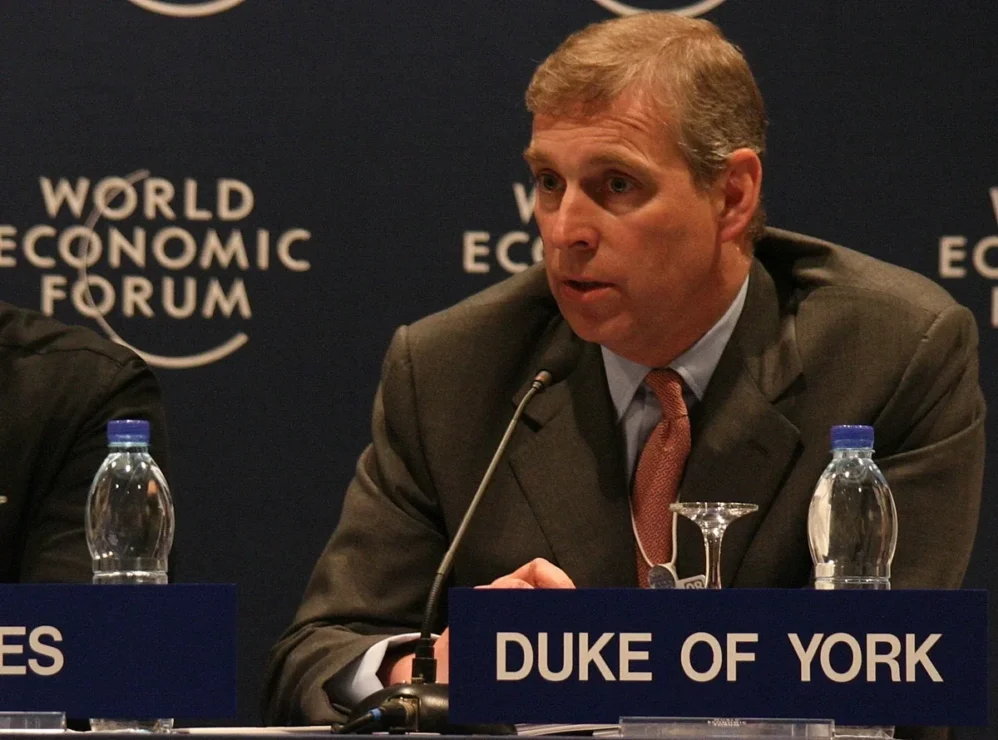
Former Prince Andrew, now Andrew Mountbatten‑Windsor, was arrested in the UK over ties to Jeffrey Epstein. Read the full timeline, verified facts, legal insights, and expert commentary in this Viral Kidda update.
Read MoreMacron–Meloni Clash After Lyon Activist Killing: Political Fallout Spreads Across Europe
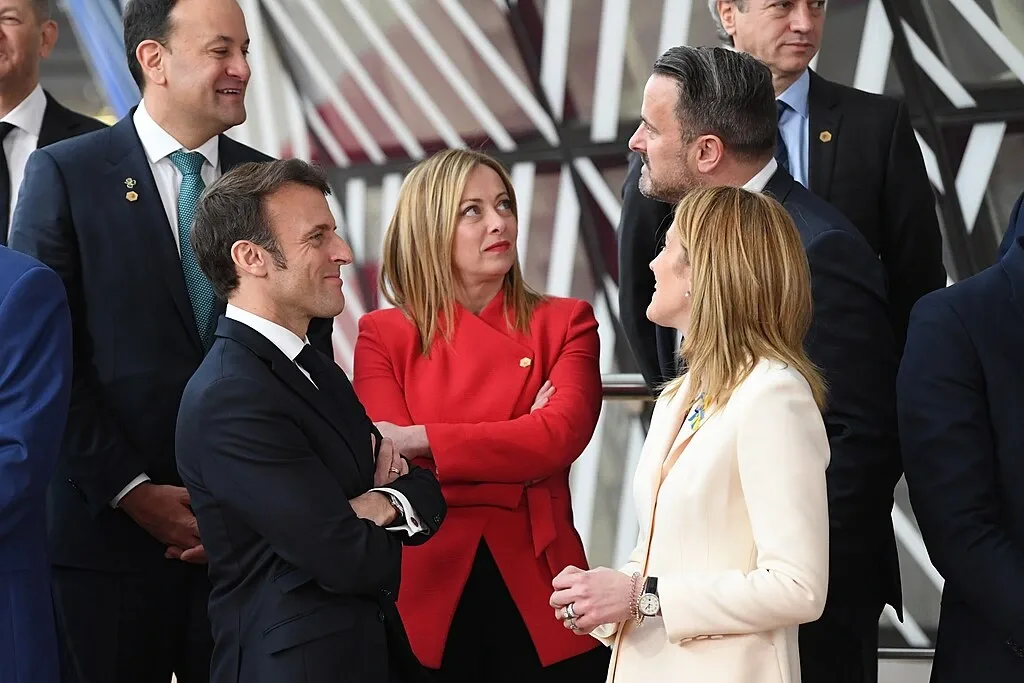
A deadly clash in Lyon has exploded into a diplomatic showdown between Emmanuel Macron and Giorgia Meloni — turning a criminal investigation into a Europe-wide political flashpoint.
After 23-year-old activist Quentin Deranque died from injuries sustained during violent street clashes, multiple suspects were charged, and tensions quickly crossed national borders. Macron warned foreign leaders against commenting on France’s internal affairs, while Meloni framed the incident as part of a wider rise in ideological extremism across Europe.
French parties including National Rally and La France Insoumise are now under intense political scrutiny.
What began as a local tragedy is rapidly reshaping political narratives inside the EU.
Read MoreThe strategic partnership between China and Russia has deepened significantly in recent years. Often described as a “no-limits” cooperation, this alignment focuses on energy collaboration, defense coordination, and diplomatic synchronization.
Their objective is to promote a multipolar world order that reduces dependence on U.S.-led systems and challenges Western dominance in global institutions.
Emerging powers such as India, Brazil, and South Africa are reshaping global influence through strategic autonomy and economic growth.
Rather than aligning exclusively with one bloc, these nations often pursue flexible, interest-driven foreign policies. Platforms like BRICS highlight efforts to strengthen economic cooperation, trade diversification, and financial independence from traditional Western frameworks.
Many countries across Africa, Latin America, and parts of Asia are adopting multi-alignment strategies. Instead of choosing sides, they engage with multiple power centers to maximize economic opportunities and protect national interests.
This trend reflects a broader shift toward pragmatic diplomacy — where economic development, energy security, and trade resilience often take priority over ideological alignment.
|Iran’s Supreme Leader Death: How the Middle East Entered Its Most Dangerous Geopolitical Phase Since 1979
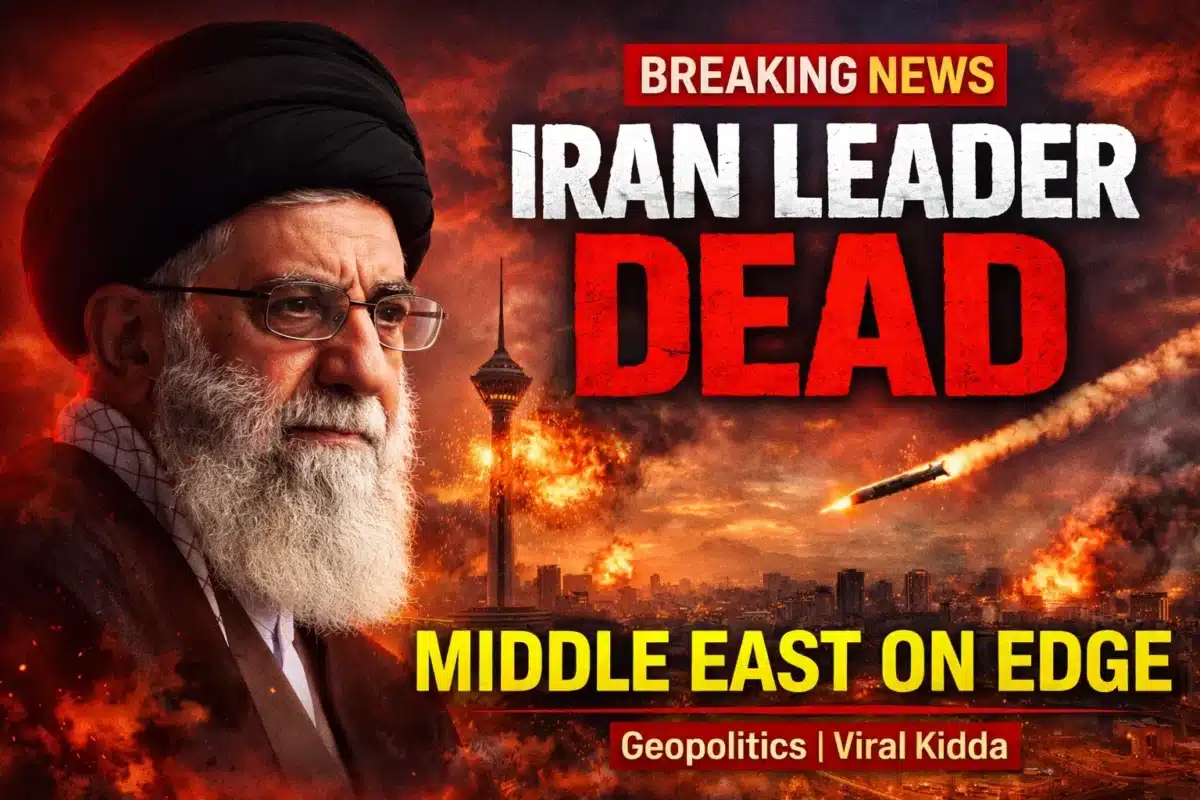
The death of Iran’s Supreme Leader Ayatollah Ali Khamenei has triggered one of the most dangerous geopolitical crises in recent history. From internal unrest and nationwide blackouts to alleged US-Israel airstrikes on Tehran, this detailed analysis explores how the conflict escalated and what it means for the future of the Middle East and global power balance.
Read MoreGeopolitical decisions today directly affect:
Global markets and currencies
Energy prices and supply chains
Defense spending and regional security
International trade agreements
Economic sanctions and financial systems
By organizing global political news into these four categories — Western Liberal Democracies, China–Russia Axis, Global South/Emerging Powers, and Neutral/Multi-aligned Nations — we provide clear, accessible insights into how world politics shapes economic change.
Stay updated as we track the evolving balance of power in an increasingly multipolar world.