A fatal street attack in Lyon has escalated beyond a criminal investigation into a diplomatic flashpoint between France and Italy.
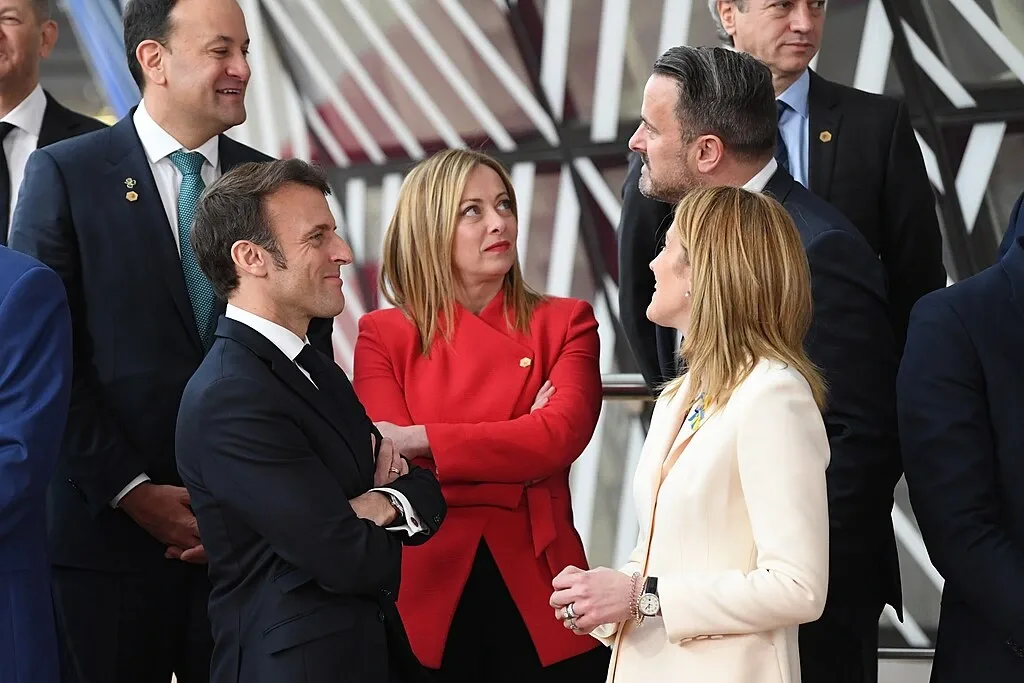
The death of 23-year-old activist Quentin Deranque has triggered a political confrontation between French President Emmanuel Macron and Italian Prime Minister Giorgia Meloni — exposing deeper ideological tensions inside the European Union.
International outlets including Euronews, Reuters, France 24 have detailed the developments surrounding the case and its broader political consequences of Emmanuel Macron and Giorgia Meloni.
What Happened in Lyon?
According to French prosecutors cited by Reuters and other major outlets:
- The incident occurred on February 12, 2026, during clashes near a university gathering in Lyon.
- Quentin Deranque sustained severe head injuries during the confrontation.
- He died two days later in hospital.
Authorities detained multiple individuals in connection with the attack. Reports indicate that seven suspects have been formally charged, with some facing accusations of intentional homicide or complicity. Additional individuals were questioned during the investigation.
Judicial officials have emphasized that the investigation remains ongoing and that all suspects are presumed innocent unless proven guilty in court.
Alleged Political Links
Media reports state that some suspects are allegedly connected to radical activist networks.
One individual reportedly has ties to a former parliamentary assistant associated with La France Insoumise (LFI). However, party leadership has resisted immediate political sanctions pending judicial conclusions.
It is important to note that these connections are part of ongoing investigations and have not yet resulted in final court rulings.
Macron Responds: “Stay at Home”
The diplomatic dimension intensified after Prime Minister Meloni publicly described the killing as a sign of growing ideological extremism in Europe.
President Macron responded sharply, warning foreign leaders against commenting on France’s domestic judicial matters. In remarks reported by Euronews and other outlets, he effectively told Meloni to “stay at home” or remain within her own national sphere when addressing internal French affairs.
When asked whether the remarks were directed at Meloni, Macron confirmed they were.
The exchange marked a rare public disagreement between two major European Union leaders.
Meloni Position
Prime Minister Meloni office clarified that her comments were intended as expressions of concern about rising political violence across Europe — not interference in France’s internal processes.
Her remarks resonated with conservative audiences who view ideological polarization and activist violence as transnational issues requiring broader European debate.
The diplomatic friction highlights contrasting political philosophies:
- Macron represents a centrist, pro-integration European model.
- Meloni leads a nationalist-conservative government emphasizing sovereignty and domestic authority.
Impact on French Politics
The case arrives during a politically sensitive period in France.
The far-right National Rally has positioned itself as a vocal critic of extremist violence, framing the incident as evidence of ideological double standards.
At the same time, President Macron has urged calm ahead of demonstrations organized in Deranque’s memory and has reportedly ordered reviews of violent activist groups.
With municipal elections approaching and long-term positioning ahead of 2027 presidential dynamics, the political framing of this incident may influence voter narratives.
Why France24 Called It a “Charlie Kirk Moment”
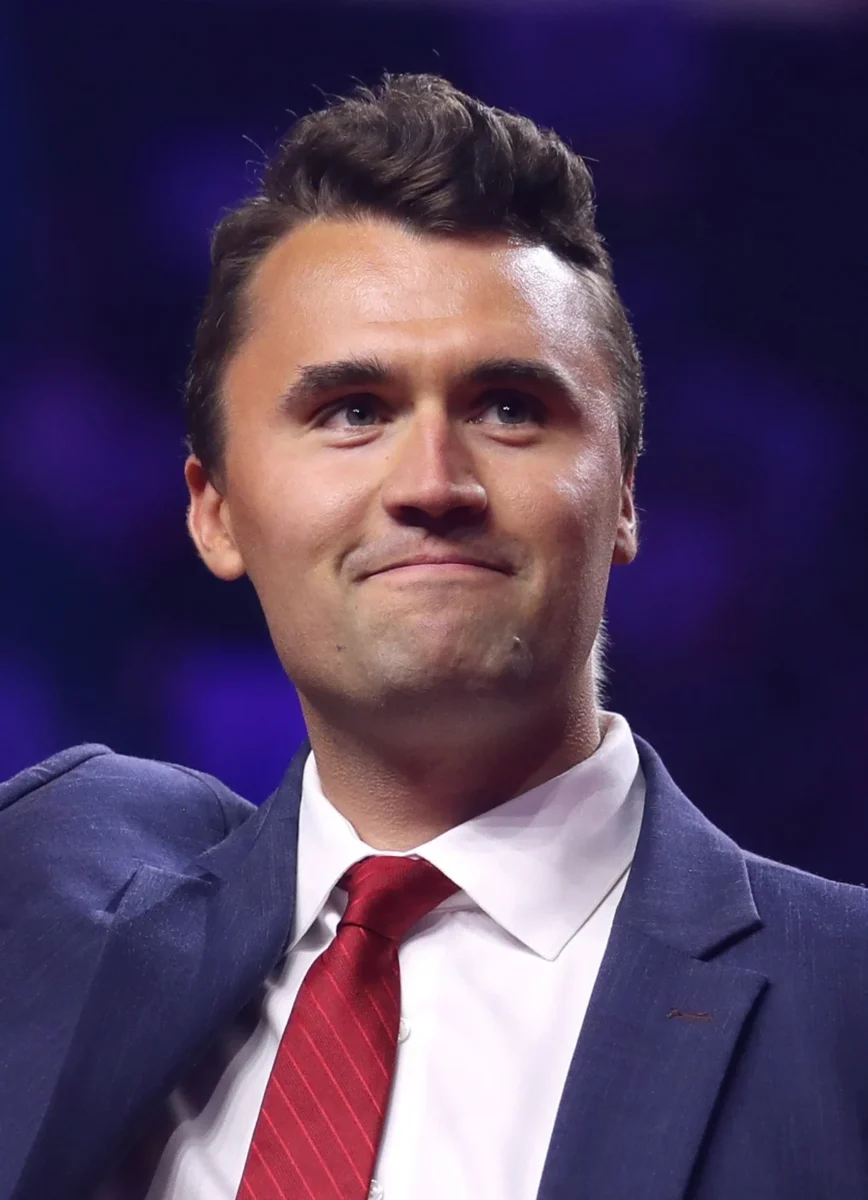
An analysis piece by France 24 described the incident as becoming France’s “Charlie Kirk moment.”
This comparison is symbolic — not literal.
Charlie Kirk is alive. The phrase refers to how political movements can transform a violent incident into a mobilizing narrative, similar to how high-profile controversies energize ideological bases in the United States.
The analysis suggests Deranque’s death is being framed by some groups as emblematic of broader hostility toward conservative activism.
Broader European Context
The episode reflects wider structural tensions within Europe:
- Rising ideological polarization
- Increased street-level activism
- Heightened sensitivity over sovereignty
- Public rhetorical clashes between EU leaders
What began as a localized criminal investigation has evolved into a continental political debate over extremism, interference, and national jurisdiction.
Why This Matters Globally
For international audiences — including readers in India, the United States, and beyond — the Lyon case demonstrates how:
- Domestic incidents can rapidly gain geopolitical significance
- Political narratives can shape legal discourse
- EU member states remain ideologically divided despite institutional unity
In today’s interconnected information environment, local violence can quickly transform into international political confrontation.
⚖️ Viral Kidda Editorial Disclaimer
This article is based on publicly available reporting from established international news organizations. Judicial proceedings related to the Lyon incident remain ongoing. All individuals mentioned are presumed innocent unless proven guilty in a court of law.
This is a developing story and details may evolve as official investigations continue if any update check out our page Geopolitics Viral Kidda