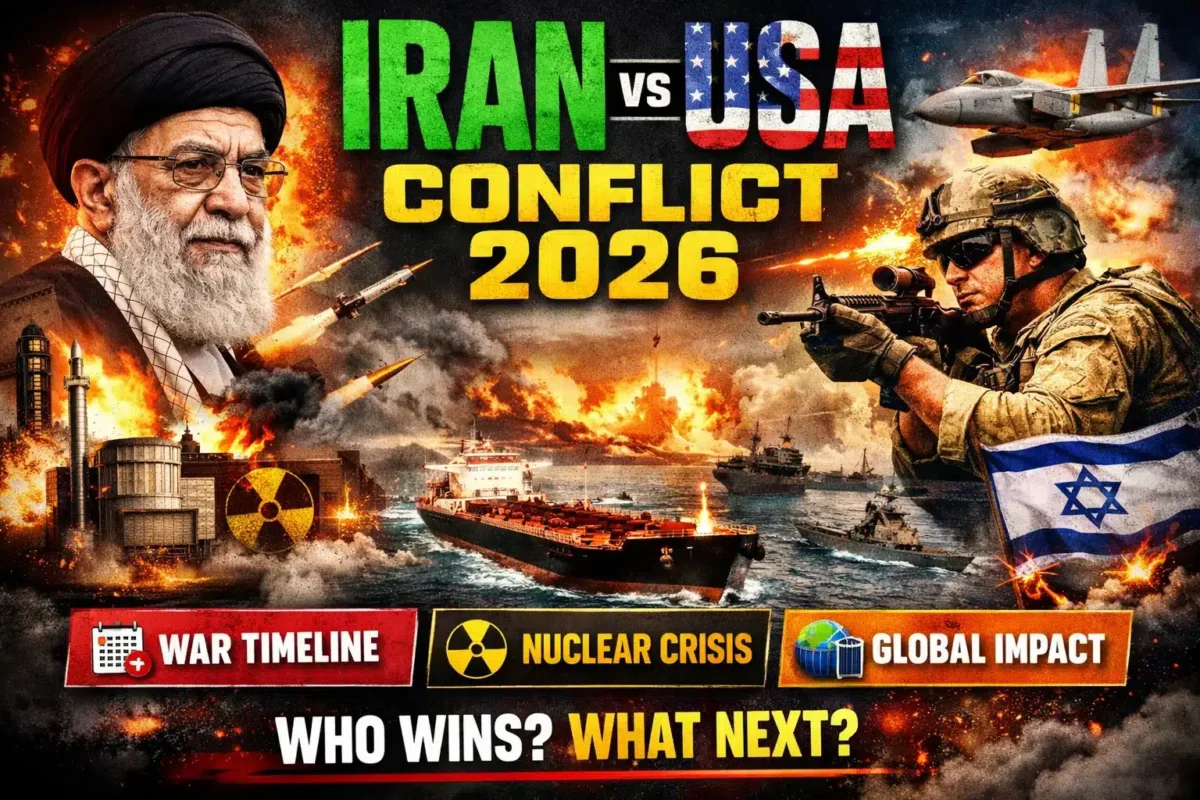
What if one of the world’s longest-running rivalries suddenly reshaped the global economy, triggered oil shocks, and pushed multiple nations toward the brink of war all at once?
The Iran conflict with US is not just another geopolitical story. It is a decades-long power struggle that has evolved from silent hostility into open confrontation impacting everything from fuel prices in India to military alliances in Europe. This isn’t just about missiles and military strikes. It’s about power, influence, energy control, and the future of global order. And if you think this conflict is far away, think again because its ripple effects are already influencing your daily life.
Understanding the Root Causes of Iran Conflict With US
The Iran US conflict didn’t start overnight. It is rooted in decades of political, religious, and strategic rivalry.
The 1979 Iranian Revolution – Where It All Began
The foundation of the Iran conflict with US was laid during the Iranian Revolution, when Iran transitioned from a pro-West monarchy to an Islamic Republic.
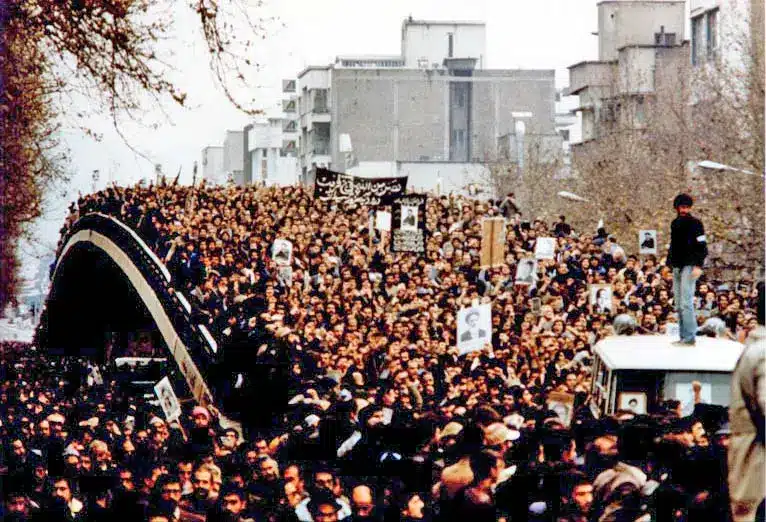
Before 1979, the United States had strong ties with Iran under Shah Mohammad Reza Pahlavi. However, widespread dissatisfaction with the Shah’s rule led to a revolution that brought Ayatollah Ruhollah Khomeini to power.
This shift completely transformed Iran’s foreign policy. The new regime viewed the US as a symbol of Western interference and labeled it the “Great Satan.”
The situation escalated dramatically during the Iran hostage crisis, when American diplomats were held hostage for 444 days. This event not only destroyed diplomatic relations but also created a deep mistrust that still defines the relationship today.
Embed from Getty ImagesThis moment marked the beginning of a hostile era that continues even after four decades.
Nuclear Ambitions and Global Fear
Iran’s nuclear program has been one of the biggest flashpoints in global politics. While Iran insists its nuclear activities are for peaceful purposes, the US and its allies believe it could lead to nuclear weapons development.
In 2015, the Joint Comprehensive Plan of Action was signed between Iran and world powers to limit its nuclear activities in exchange for sanctions relief.
However, tensions resurfaced when the United States Government withdrew from the agreement in 2018, reimposing heavy sanctions on Iran. Brief History of US Sanctions on Iran
This move reignited tensions, leading Iran to gradually resume nuclear enrichment activities.
Today, the nuclear issue remains one of the most dangerous triggers for a potential large-scale war.
Proxy Wars Across the Middle East
The Iran–US conflict is not always direct—it often plays out through proxy groups across the Middle East.
Middle East Power Struggle
- Iran supports groups like Hezbollah and Hamas.
- The US supports Israel – Iran’s biggest enemy.
Iran supports several regional actors, including Hezbollah in Lebanon and various militias in Iraq and Syria. On the other side, the US backs countries like Israel and Saudi Arabia.
These proxy battles have turned countries like Syria, Iraq, and Yemen into extended battlegrounds.
This indirect warfare makes the conflict complex, unpredictable, and harder to resolve.
Timeline – From Tensions to Open Conflict (2024–2026)
2024: The Turning Point – Year Everything Changed
The year 2024 marked a turning point when tensions escalated into direct confrontation.
- Israel bombed an Iranian consulate in Syria
- Iran retaliated with direct missile strikes on Israel
- US intercepted drones to defend Israel
After an airstrike destroyed an Iranian diplomatic site in Syria, Iran launched a massive missile and drone attack targeting Israel. The United States intervened by intercepting several incoming threats, signaling its direct involvement.
This was significant because it broke the long-standing pattern of indirect conflict. For the first time, Iran signaled it was willing to confront its adversaries openly
2025 – The Short but Intense 12 Days War
In 2025, a rapid escalation led to what analysts described as a “12-day Israel-Iran war”
Embed from Getty ImagesIsrael launched preemptive strikes targeting Iranian military infrastructure. The United States followed with attacks on nuclear facilities, significantly damaging Iran’s capabilities.
- Israel launched surprise strikes on Iran
- The US joined and attacked Iranian nuclear sites
- Iran retaliated by hitting US bases in Qatar
- War ended in 12 days – but tensions exploded globally
Iran retaliated by targeting US bases in the region, particularly in Gulf countries.
Although the conflict lasted only a few days, its consequences were long-lasting.
It proved that future conflicts would involve direct military engagement, not just proxies.
Early 2026: Failed Peace Talks
- US & Iran held nuclear negotiations in Oman & Europe
- Talks collapsed after deadline expired
Diplomacy failed → War became inevitable
Feb 28, 2026: War Begins (Operation-Level Conflict)
The conflict officially entered a full-scale war phase on February 28, 2026, when the United States and Israel launched coordinated military strikes on Iran. This marked the end of limited tension and the beginning of direct warfare.
US & Israel Massive Strikes on Iran
The joint operation targeted multiple strategic zones inside Iran. These strikes were large-scale and highly coordinated, showing a major escalation in military intent.
Key Targets
The attacks focused on Iran’s most critical defense and power structures. These included nuclear facilities, military bases, and high-level leadership centers.
Leadership Impact
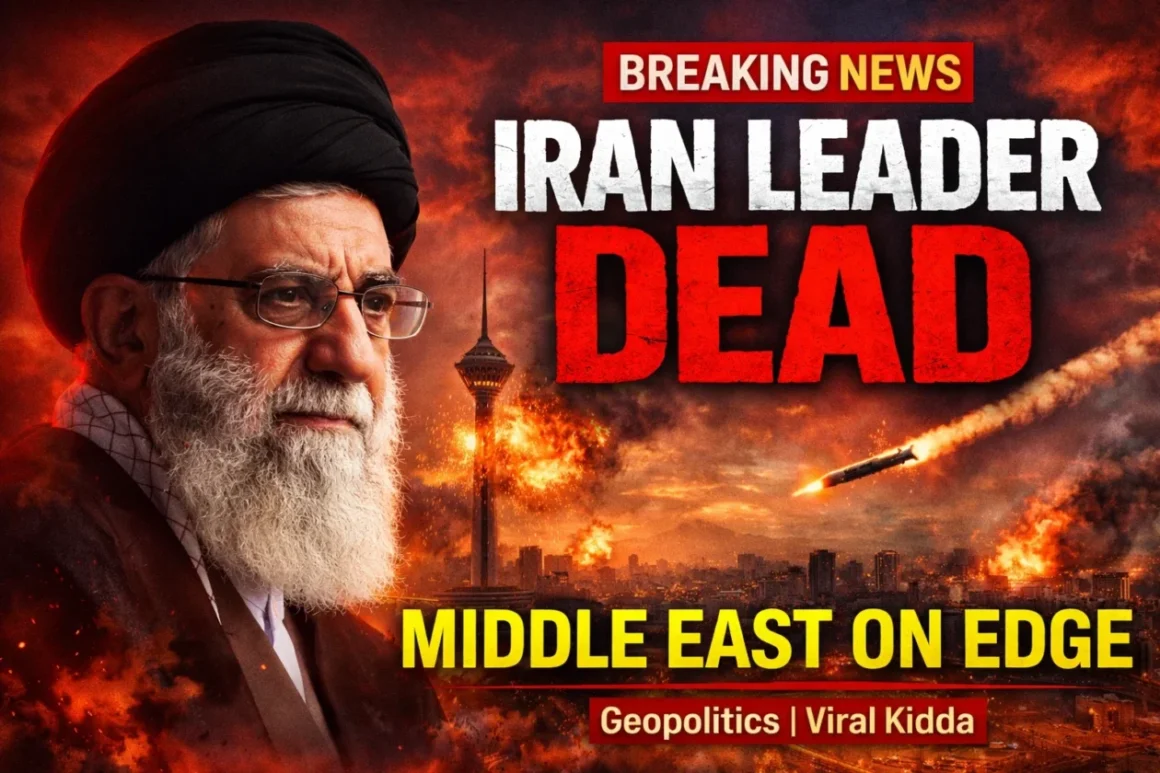
In the chaos of the strikes, Iran’s Supreme Leader was reportedly killed, creating massive shockwaves across the region and pushing Iran into deep political instability.
Read full breakdown here: Iran Supreme Leader Death Explained (Full Timeline & Impact)
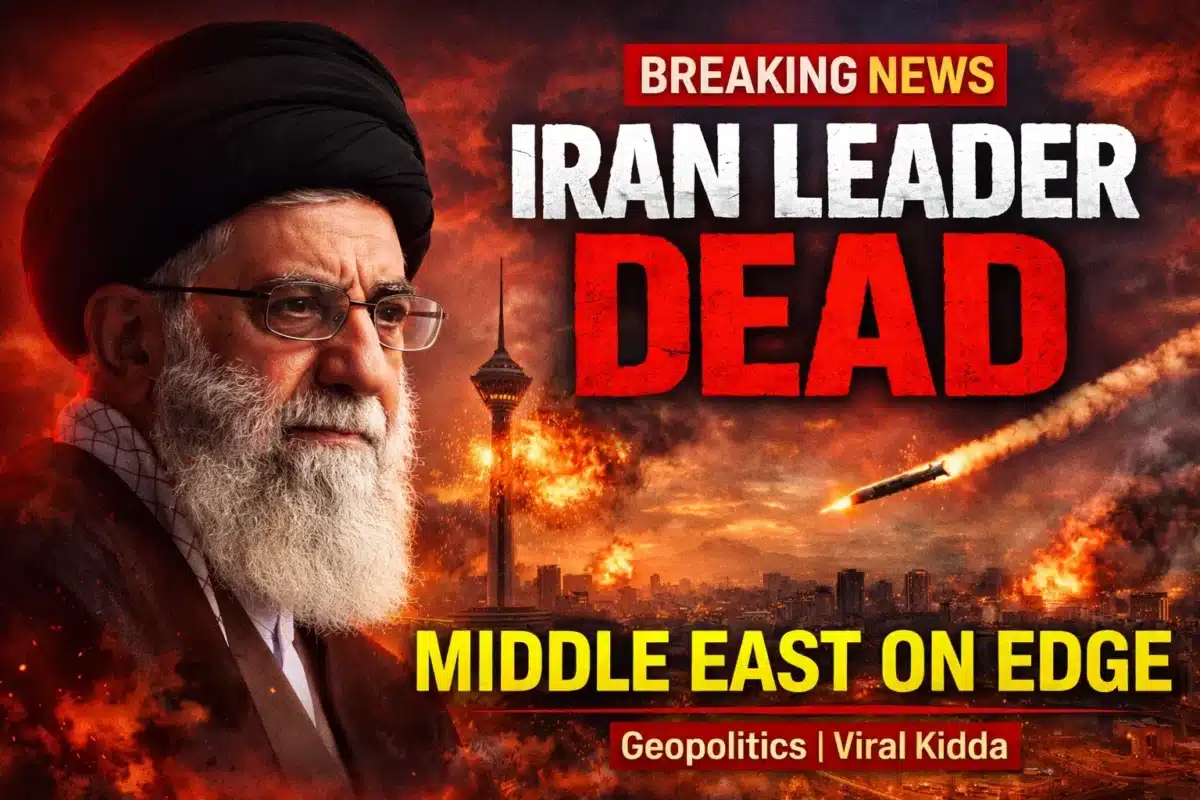
This moment officially marked the shift from rising tensions to a full-scale war between global powers.
March–April 2026: Escalation Phase
After the initial strikes, the conflict quickly expanded beyond control. What started as targeted attacks soon turned into a multi-front regional war involving missiles, airstrikes, and global economic disruption.
Iran’s Counterattacks
Iran responded with widespread missile and drone attacks across multiple regions. These strikes targeted military positions and strategic sites linked to US and allied forces.
US Air Campaign Expansion
In response, the United States intensified operations, carrying out more than 20,000 airstrikes across targeted zones, increasing the intensity of the war.
Strait of Hormuz Crisis
One of the biggest global shocks came when the Strait of Hormuz was disrupted. This key oil route faced severe instability, triggering a sharp rise in global oil prices.
Symbolic Military Blow
In a major escalation, US fighter jets were shot down — a rare and symbolic setback that challenged military dominance in the region.
At this stage, the war was no longer limited to Iran — it had become a full Middle East crisis with global impact.
Major Incidents That Changed Everything
1. Nuclear Facility Strikes
The United States targeted Iran’s nuclear infrastructure in a strategic move aimed at stopping potential nuclear weapon development. These strikes significantly weakened Iran’s long-term nuclear capabilities.
2. Killing of Leadership
The death of Iran’s top leadership created a sudden power vacuum. This led to internal instability, confusion in command structure, and increased political uncertainty inside the country.
3. Downing of US Fighter Jets
For the first time in modern conflict history, Iran reportedly shot down advanced US fighter jets. This incident challenged the long-standing belief in US air superiority and marked a symbolic shift in military perception.
4. Strait of Hormuz Crisis
Iran’s threats around the Strait of Hormuz created panic in global energy markets. Since this route handles a major portion of the world’s oil supply, even small disruptions caused worldwide oil price spikes.
Together, these incidents transformed the conflict from a regional war into a global geopolitical crisis affecting energy, economy, and security worldwide.
Global Geopolitical Impact
1. Energy Crisis and Inflation
The conflict has led to significant fluctuations in global oil prices. countries that rely heavily on oil imports, including India, have experienced increased costs, leading to inflation and economic pressure.
2. Shifting Alliances
The conflict has reshaped global alliances Countries are increasingly aligning based on strategic interests rather than traditional partnerships.
Future Scenarios – What Happens Next?
Possible Outcomes:
- Full-Scale Regional War: More countries could get involved, expanding the conflict.
- Diplomatic Resolution: International pressure could lead to ceasefire agreements.
- Long-Term Cold Conflict: The situation could stabilize but remain tense for years.
Each scenario carries significant implications for global stability.
Conclusion: A Conflict That Shapes the Future
The Iran–US conflict is not just about two nations—it is about the future of global power, energy security, and international relations.
From historical roots to modern warfare, this conflict has evolved into one of the most critical geopolitical issues of our time. Want a deeper breakdown of the Iran vs US 2026 conflict timeline, future scenarios, and possible war outcomes?
Drop your thoughts and predictions in the comments below — we will feature the most interesting insights in our next Geopolitics Explained post on Viral Kidda.
From escalation paths to global impact scenarios, we are building a full breakdown series on this conflict. Stay connected, stay updated, and join the discussion on Viral Kidda Geopolitics Page.
FAQ Schema
Q1. Why are Iran and the US in conflict?
The conflict is rooted in historical tensions, nuclear disagreements, and geopolitical rivalry in the Middle East.
Q2. What triggered the recent escalation?
Recent military actions, failed diplomacy, and attacks on strategic targets led to escalation.
Q3. How does this affect global oil prices?
Disruptions in key routes like the Strait of Hormuz impact oil supply, increasing prices globally.
Q4. Is this conflict likely to turn into a world war?
While possible, global diplomatic efforts aim to prevent large-scale escalation.
Disclaimer
This article is intended for informational and educational purposes only. Some sections may include analytical interpretations, projections, or scenario-based insights regarding geopolitical developments. These should not be considered confirmed real-world events. Information is based on publicly available sources and general research. The content does not intend to mislead, promote conflict, or represent official positions of any government or organization.