Why Does the World Suddenly Turn Green on March 17?
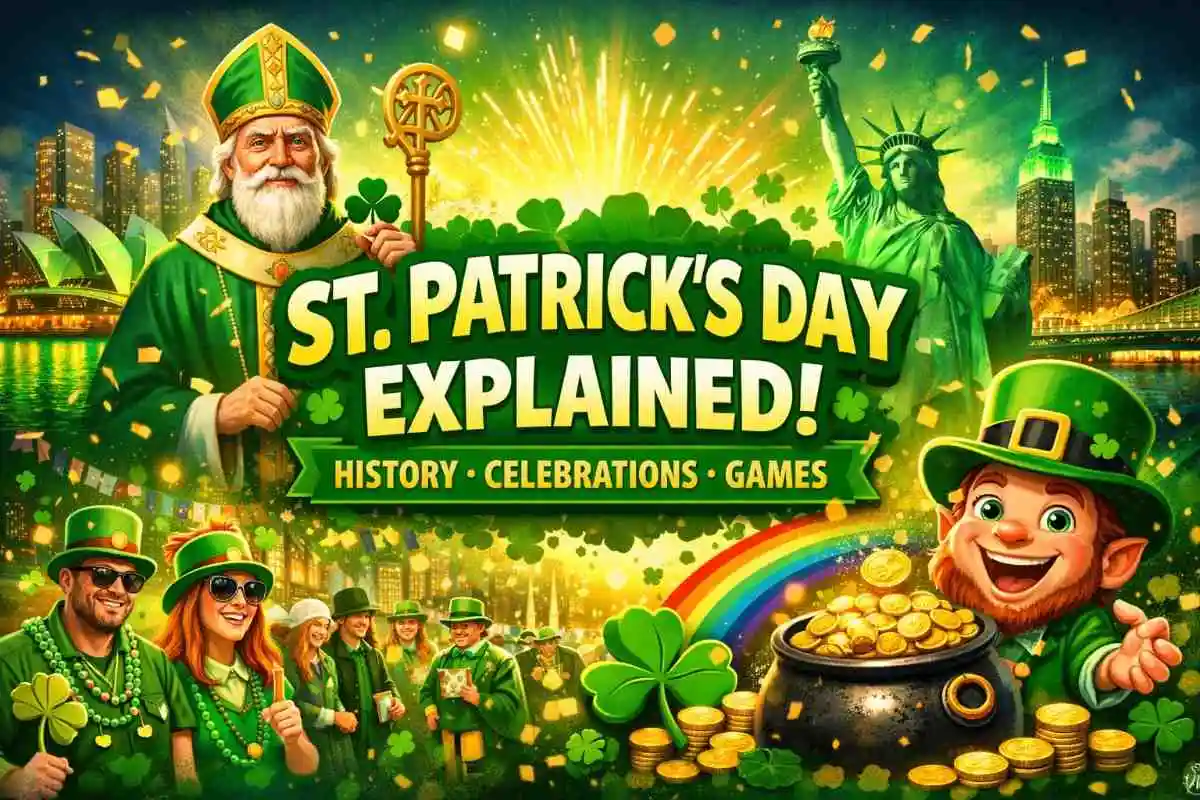
Every year, something unusual happens. Cities across the world from skyscrapers in New York to landmarks in Australia light up in green. Millions of people dress in green outfits, attend parades, and search online for one thing: St. Patrick’s Day.
This isn’t just another festival. It’s a powerful mix of history, religion, migration, culture, and modern viral trends. In this Viral Kidda deep-dive, we uncover everythingfrom the real story of Saint Patrick to why this Irish festival dominates global attention every year.
What is St. Patrick’s Day?
St. Patrick’s Day is celebrated on March 17 every year to honor the life and legacy of Saint Patrick, the patron saint of Ireland. Originally, it was a religious feast day, but today it has evolved into a global cultural festival.
What makes this day special?
Embed from Getty Images- A Cultural Explosion of Irish Identity:
St. Patrick’s Day represents Irish pride across the world. Over centuries, Irish communities migrated globally, especially to countries like the USA, UK, and Australia. As they settled, they brought their traditions, music, food, and festivals. Today, this day is less about religion and more about celebrating Irish roots, unity, and cultural identity. - The “Green Phenomenon”:
The color green is associated with Ireland, also known as the “Emerald Isle.” On this day, everything turns green clothes, rivers, buildings, and even food. This visual transformation plays a huge role in making the festival go viral on social media and search engines. - A Blend of Tradition + Modern Fun:
While the origins are deeply spiritual, modern celebrations include parades, music festivals, pub gatherings, and games. This dual nature makes it both meaningful and entertaining.
Who is Saint Patrick?
Saint Patrick is one of the most important religious figures in Irish history.
SAINT PATRICK
- From Captive to Missionary:
Saint Patrick was born in Britain around the 4th century. As a teenager, he was kidnapped by Irish raiders and taken to Ireland as a slave. During his captivity, he turned deeply toward spirituality and faith.
- Return to Ireland with a Mission: After escaping, he returned to Britain but later came back to Ireland voluntarily. This time, his mission was clear: to spread Christianity across the land.
- Symbol of Faith and Transformation: Patrick used simple symbols like the shamrock (three-leaf clover) to explain complex Christian ideas like the Holy Trinity. This made religion easier for common people to understand.
Today, he is remembered not just as a religious leader but as a symbol of faith, resilience, and transformation.
Why is St. Patrick’s Day Celebrated Globally?
St. Patrick’s Day is no longer limited to Ireland. It has become a global cultural phenomenon.
1. Irish Migration Changed Everything
Millions of Irish people migrated during the 18th and 19th centuries due to famine and economic hardship. As they settled in countries like:
- USA
- Canada
- Australia
They carried their traditions with them. Over time, local communities embraced the celebration, making it bigger and more inclusive.
2. It Evolved into a Global Festival
What started as a religious observance slowly transformed into a mass celebration.
- Street parades
- Live music events
- Cultural performances
- Social media trends
This evolution made it relatable and enjoyable for people of all backgrounds.
3. Social Media Made It Viral
Platforms like Instagram, TikTok, and YouTube have amplified the reach.
Why it trends every year:
- Visually attractive (green theme)
- Easy to participate (just wear green)
- Fun content (games, parties, reels)
This makes St. Patrick’s Day a perfect viral event.
Big Global Celebrations (2026 + Historic Highlights)
Modern Celebrations in 2026
Even in 2026, St. Patrick’s Day continues to dominate global attention:
- Massive Parades Across Continents:
Cities like Dublin, New York, and Sydney host large-scale parades with thousands of participants. These events include traditional Irish music, dance, and themed floats that attract millions of viewers both offline and online. - Landmark Lighting Events:
Famous landmarks worldwide turn green to mark the occasion. For example, the Sydney Opera House and Empire State Building participate in global lighting campaigns. These visual spectacles generate massive media coverage and social media buzz.
- Global Brand Participation:
Major brands launch themed campaigns, limited-edition products, and offers. This commercial angle further boosts the festival’s reach and engagement. Biggest st patricks day celebrations
Historic Highlights (Past Celebrations)
- Chicago River Tradition:
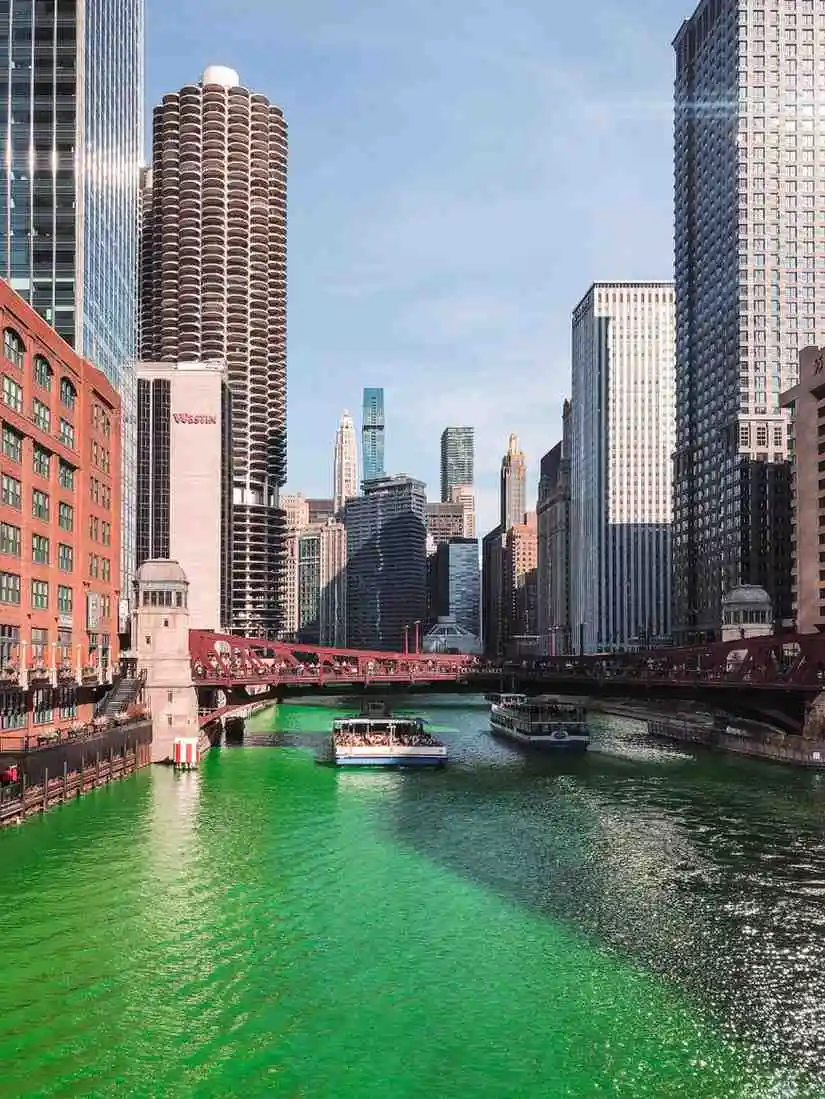
The Chicago River is famously dyed green every year. This tradition started in 1962 and has become one of the most iconic visuals of the festival.
- Dublin Festival Expansion:
Dublin hosts a multi-day festival featuring concerts, art, and cultural events. It has evolved into one of Europe’s biggest celebrations. - New York Parade Legacy:
The New York City parade is one of the oldest and largest in the world, dating back to 1762.
What are “St. Patrick’s Day Games”?
Games are a huge part of modern celebrations, especially in schools, offices, and parties.
Why Games Matter
Games make the festival:
- Interactive
- Family-friendly
- Social media friendly
Popular St. Patrick’s Day Games
- Treasure Hunt (Gold Coin Hunt):
This game is inspired by Irish folklore about hidden gold. Participants search for coins or shamrocks hidden around a space. It creates excitement, competition, and engagement—especially among kids. - Leprechaun Trap Game:
Based on the mythical Irish creature “leprechaun,” players design traps to “catch” it. This game boosts creativity and is widely popular in schools and DIY communities online. - Green Dress Challenge:
Participants compete to wear the most creative green outfit. This trend is highly viral on social media platforms. - Trivia & Quiz Games:
These include questions about Irish history, Saint Patrick, and cultural facts. It adds an educational twist to the celebration.
Deep Insight: Why This Festival Goes Viral Every Year
St. Patrick’s Day is not random—it follows a predictable viral pattern.
Key Reasons:
- One-Day Peak Trend:
Search interest spikes massively on March 17 and drops immediately after. This creates urgency and FOMO (fear of missing out). - Universal Appeal:
It doesn’t require religion, language, or location. Anyone can join by wearing green or sharing content. - Strong Visual Identity:
The green theme makes it instantly recognizable and shareable.
Conclusion: More Than Just a Festival
St. Patrick’s Day is a perfect example of how history + culture + modern media can create a global phenomenon.
It started as a tribute to a saint, evolved through migration, and is now a viral cultural event celebrated worldwide.
For content creators and bloggers, this is a goldmine of seasonal traffic if used correctly. Want more trending insights like this? Explore our latest viral breakdowns on global trends, festivals, and social media spikes only on Viral Kidda.
Stay ahead. Stay viral.
FAQ Schema
Q1. Why is St. Patrick’s Day celebrated?
It is celebrated to honor Saint Patrick and Irish culture, now globally recognized as a cultural festival.
Q2. What is the meaning of the shamrock?
The shamrock symbolizes the Holy Trinity in Christianity.
Q3. Why do people wear green on St. Patrick’s Day?
Green represents Ireland and is believed to bring good luck.
Q4. What are popular St. Patrick’s Day activities?
Parades, music, dancing, games, and wearing green outfits.
Disclaimer:
This article is published by Viral Kidda for informational and educational purposes only. The content is based on publicly available historical, cultural, and general knowledge sources believed to be accurate at the time of publication.
While every effort has been made to ensure accuracy and reliability, Viral Kidda does not guarantee the completeness or correctness of the information and is not responsible for any errors, omissions, or outcomes arising from the use of this content.
Any references to external websites, sources, or third-party content (including news platforms like Reuters) are provided for informational purposes only. All trademarks, images, and copyrights belong to their respective owners.
Readers are encouraged to verify information independently before making decisions based on this content.